Our new chapter The Cetacean Brain reviews current comparative research on cetacean brain anatomy, connectivity, and genetics, with particular attention to encephalization and large-brain organization.
Category Archives: Uncategorized
Cortical neuronal numbers in the Northern minke whale align with artiodactyl scaling rules
In our newly published study we analyzed the neuronal composition of the Northern minke whale brain. We find that the cerebral cortex, despite being about twice the mass of the human cortex, contains only the number of neurons expected for an artiodactyl brain of its size, and far fewer than in humans and great apes. At the same time the minke whale shows an unusually high proportion of cerebellar neurons relative to cortical neurons, a specialization that may be linked to their unique acoustic communication. These results advances our understanding of cetacean brain composition and highlight conserved as well as unique aspects of their neural architecture. Read the full study here [Link].
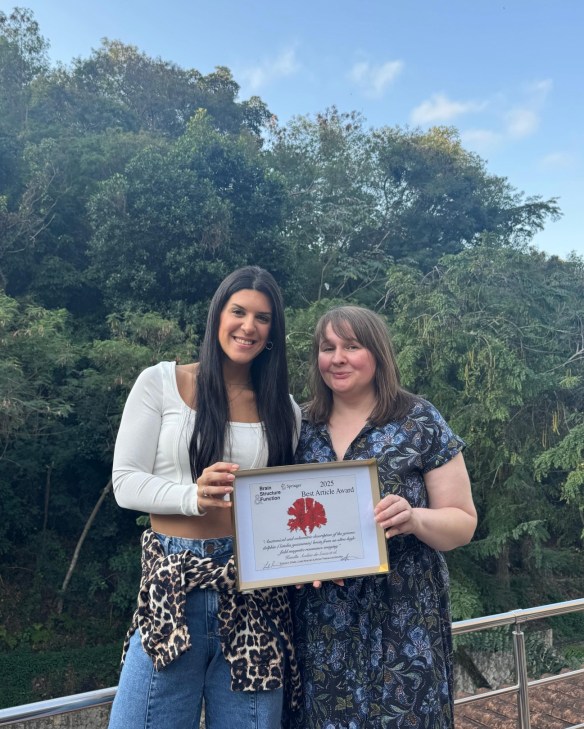
BSAF Award for Best Neuroimaging Paper 2025

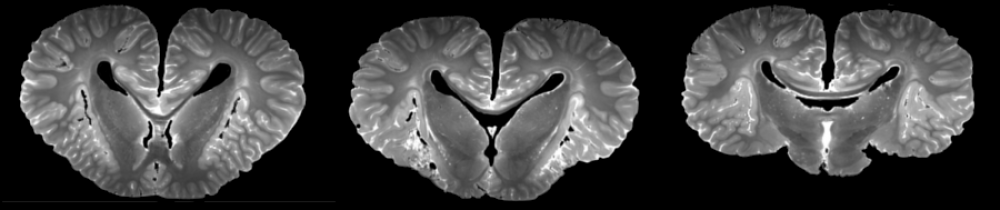
We are happy to share that our paper “Anatomical and volumetric description of the Guiana dolphin (Sotalia guianensis) brain from an ultra-high-field magnetic resonance imaging” received the BSAF Best Neuroimaging Award.
The study provides the first comprehensive anatomical and volumetric description of the Guiana dolphin brain using ultra-high-field MRI. These data offer an important reference point for future comparative and evolutionary neuroanatomy research.
The article is freely available: [Link].
Read Our Commentary in the Journal of Comparative Anatomy: “Of Marine Mammal Neuroscience and Men”Needs and Perspectives in Marine Mammal Neuroscience
In our recent commentary, we highlight the urgent need to advance marine mammal neuroscience—a field that, despite the rapid evolution of neurotechnologies, remains underdeveloped and fragmented. Cetacean and pinniped brains show remarkable evolutionary specializations, but systematic, reproducible data across species remain scarce due to constraints in sampling, access, and methodological standardization.
We identify a critical need for coordinated efforts to standardize best practice protocols for the sampling, storage, and systematic analysis of marine mammal nervous tissues. To this end, we propose the formation of an inclusive, multidisciplinary network and invite collaboration through our Open Science Framework project.
Join us to collectively advance this emerging field!
Reconnecting Across Continents

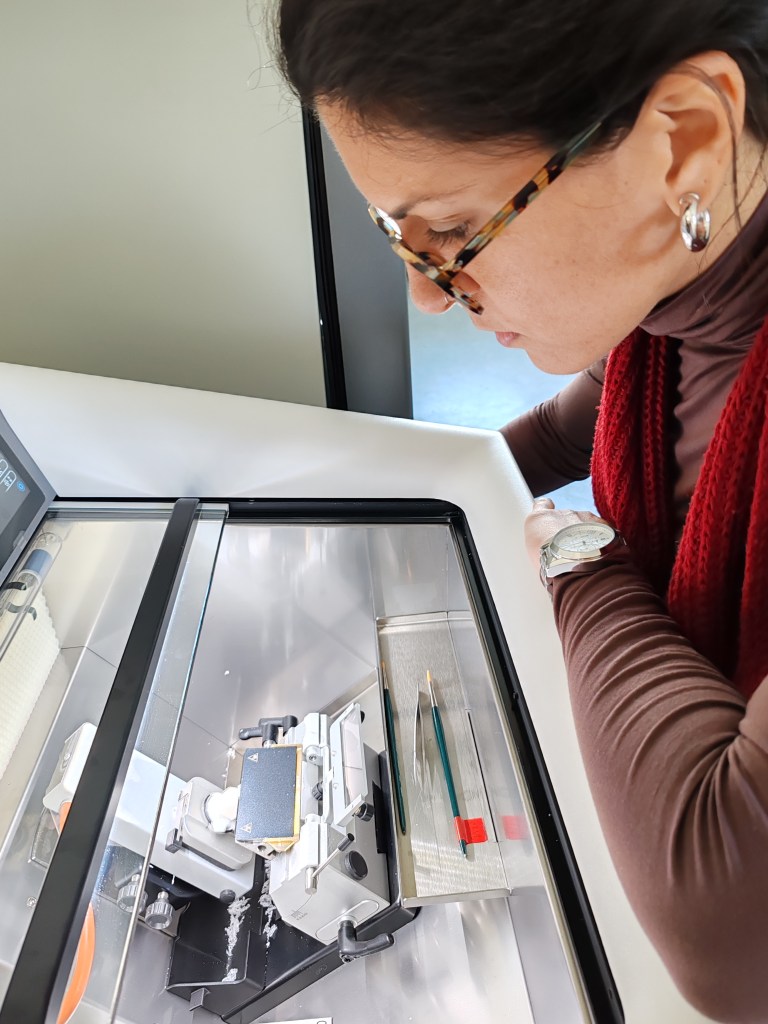
This week, we are happy to welcome Kamilla de Souza from the Brazilian Network for Neurobiodiversity to our lab. Her first visit was during our time at Hokkaido University, and now she is joining us again in Potsdam. Great to have you back, Kamilla!
New Student from Italy

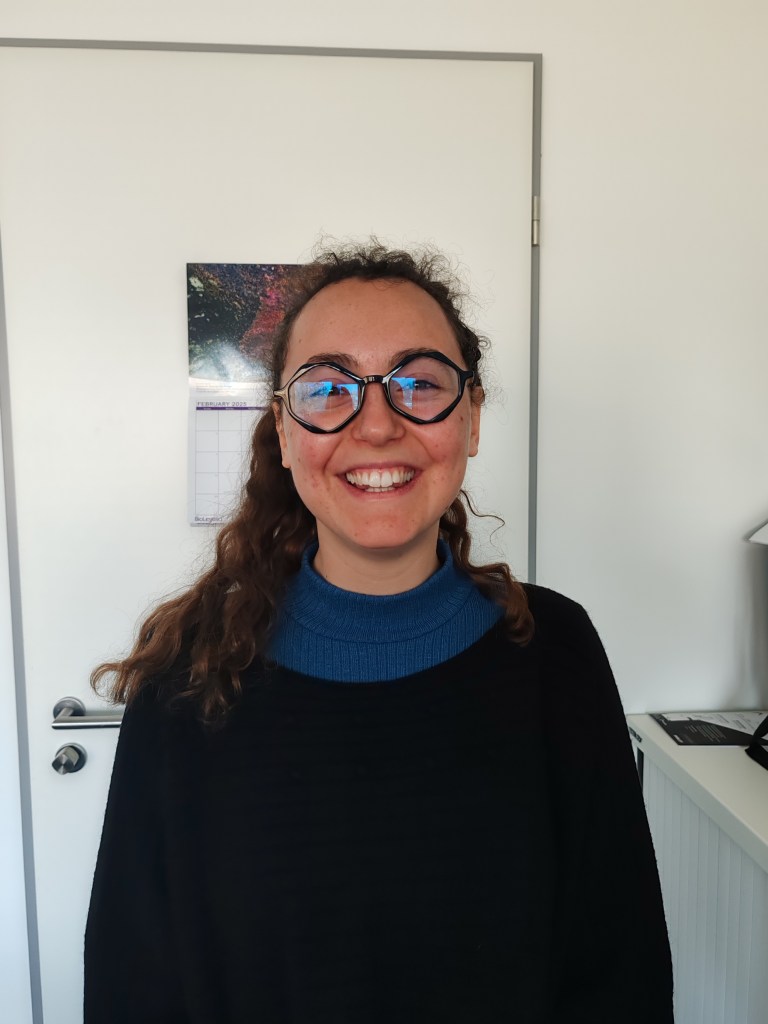
We are pleased to welcome Chiara, an Erasmus student from Italy, to our laboratory. Over the next eight months, she will contribute to our project on astrocyte subpopulation characterization. We look forward to working with you!
Welcome to the Lab!

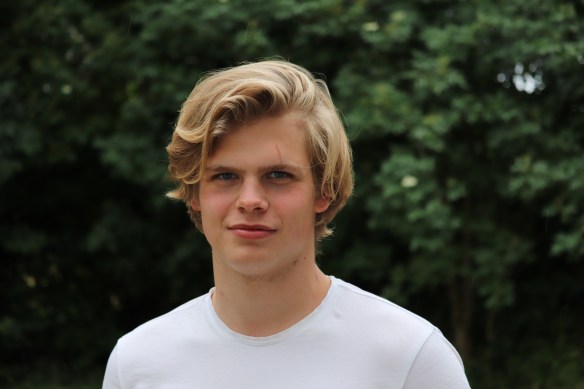
We welcome Marvin, who recently joined us for his doctoral thesis. Marvin’s research focus will be on astrocyte subpopulations in the human brain. Specifically, he will investigate their regional diversity in the motor and somatosensory cortex.
FENS 2024 Vienna
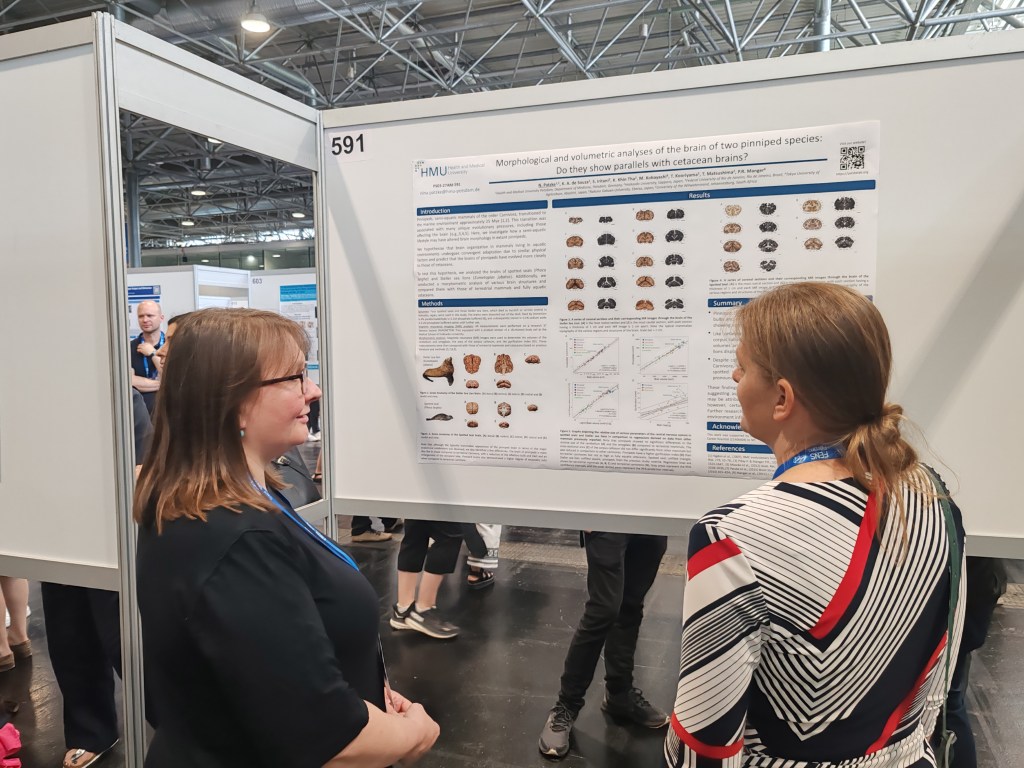
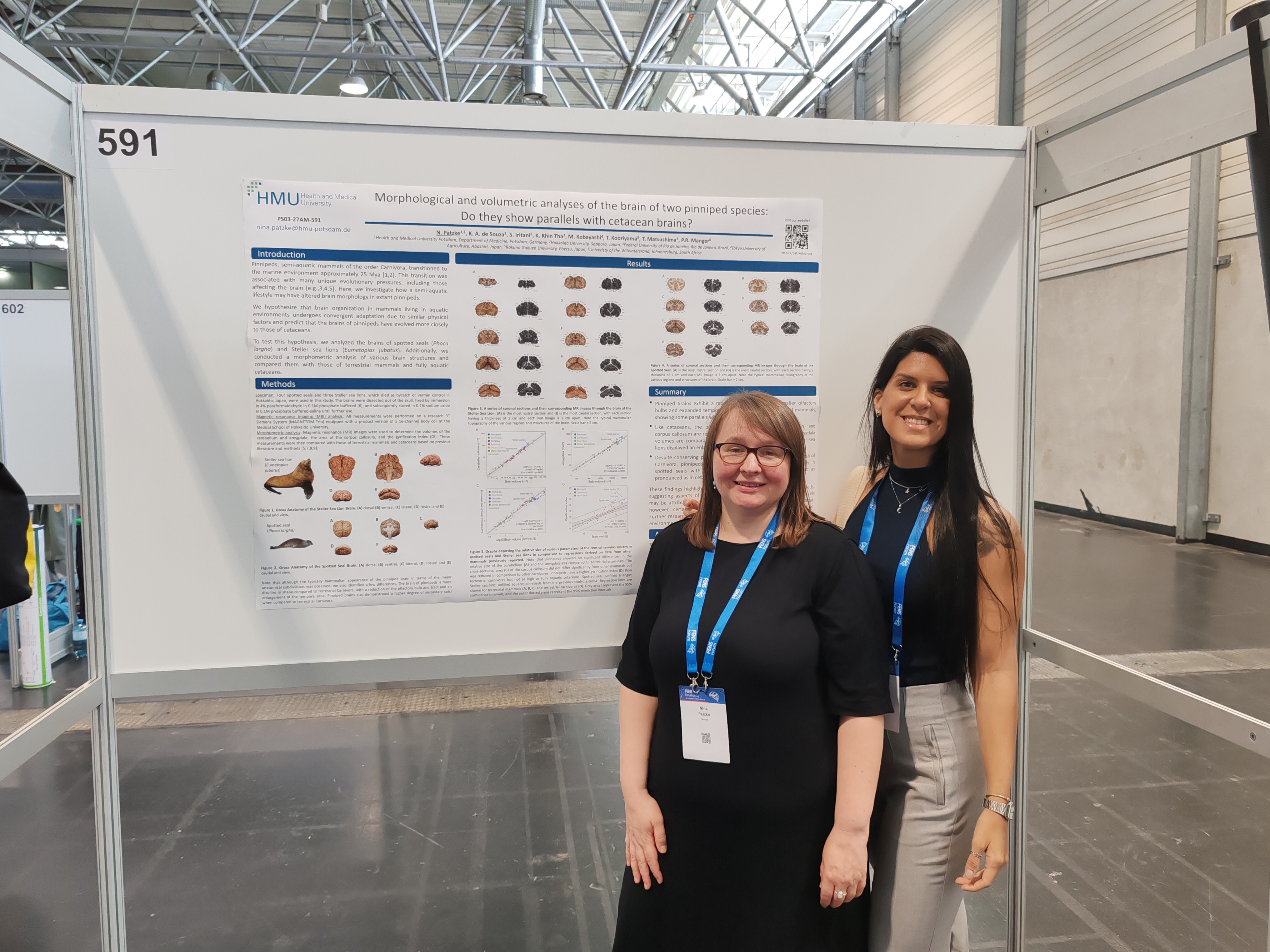
At this year’s Society for Neuroscience meeting, Nina presented a poster on the current research of the lab. Thank you to everyone for stopping at the poster!!!
New Lab, New Face

We are pleased to welcome Kira, who recently joined the lab as a doctoral student. Her project investigates the possible involvement of genetic factors in the development of morphological changes in specific brain structures that may increase the risk of post-traumatic stress disorder (PTSD).
Position has been filled!
We are Hiring!
We are offering a full-time Postdoctoral position in our lab. This role combines planning and conducting experiments, preparing publications, and teaching in the medical program. The postdoc is expected to propose and develop a research project that fits to the general interests of the group. Requirements for the position are a Dr. or PhD in Natural Sciences. Ideal candidates would have a strong interest in comparative neuroanatomy with experience in immunohistochemistry and/or MRI analysis. Since teaching will be in German, candidates must have profound knowledge of German (B1 level or higher). For Further information click here. Application can be send directly to Nina Patzke.